Key Takeaways
- Instagram, YouTube, and WhatsApp are the three apps Indians open daily without thinking — for entertainment, communication, and payments alike.
- Jio changed everything. Cheap data plus affordable smartphones pulled rural India into the app economy almost overnight.
- Downloads don’t equal usage. The apps that win are the ones people need every single morning — everything else just sits on the home screen.
- By 2027, AI-powered and regional language apps will grow the fastest. English-first platforms will slowly lose ground.
What are the most used apps in India right now? Open any smartphone, and you’ll find the answer. From morning chai to late-night scrolling, Indians stay glued to screens. Social media, gaming, payments, entertainment – everything happens inside apps now. But which platforms win the most attention? And what drives millions to open them daily? Let’s find out.
1. Social Media Dominance in India
Social media isn’t just entertainment in India anymore. It’s a way of life. From morning scrolls to late-night reels, Indians spend hours daily on social platforms. But what makes these apps so sticky? And which ones top the list of most used apps in India right now?
Let’s dive into the platforms shaping India’s digital landscape.
Instagram – India’s Most Addictive Social Platform?
Love it or hate it, Instagram has become India’s digital playground. With over 400 million Indian users, it’s easily one of the top apps in India 2026. But why do we keep coming back?
First, it’s visual. Photos, videos, stories – content feels personal and engaging. Second, it’s social. You follow friends, celebrities, and creators all in one place. And third, the algorithm knows you too well. It serves exactly what you like, keeping you hooked for hours.
You can download the Instagram app here.
Many experts call Instagram the most popular app in India among younger audiences. And honestly? They’re not wrong.
Instagram Lite – Why Millions Prefer the Lighter Version
Not everyone in India owns a flagship phone. Data costs matter. Storage space matters. That’s exactly why Instagram Lite exploded in popularity.
This smaller version consumes less data and takes up minimal phone space. Yet it offers almost all core features. For users in smaller towns and rural areas, this app is a blessing. It loads quickly even on slower networks.
Among the apps Indians use the most, Instagram Lite holds a special spot. It proves that accessibility drives adoption.
How Reels Changed Content Consumption in India
Remember when we watched videos for minutes? Now, we consume content in seconds. Reels changed everything.
Short, snappy, and endlessly entertaining – Reels fit perfectly into Indian lifestyles. During commutes, tea breaks, or late nights, people scroll through endless loops of comedy, dance, and tutorials.
This format reshaped what trending apps in India look like. Every platform now copies the short-video formula. But Instagram? It mastered it first.
Why Gen Z Spends Hours on Instagram Daily
Let’s talk about India’s youngest digital natives – Gen Z. For them, Instagram isn’t just an app. It’s their social universe.
They discover trends here. They follow influencers here. They even shop here. With integrated shopping features and creator collaborations, Instagram keeps them inside the app longer than ever.
Ask any marketer about the most used apps in India among youth, and Instagram tops the list. It’s where culture gets created, shared, and celebrated.
2. Video & Entertainment Apps
India loves watching content. Whether it’s a quick comedy clip or a full Bollywood movie, screens keep Indians glued. Entertainment apps dominate the list of most used apps in India, and for good reason. They offer freedom. Watch what you want, when you want.
Let’s explore the platforms leading this revolution.
YouTube – The Undisputed Video King of India
YouTube isn’t just an app. It’s India’s second home. With over 450 million monthly active users, it stands tall among the top apps in India in 2026. From educational tutorials to music videos, YouTube has everything.
What makes it unstoppable? First, variety. You’ll find content in every Indian language. Second, it’s free. Most users never pay a rupee. And third, creators keep audiences hooked with fresh uploads daily.
For millions, YouTube is the internet. It’s easily the most popular app in India when it comes to video consumption.
Why YouTube Beats Traditional TV in Urban & Rural Areas
Television once ruled Indian living rooms. Not anymore. YouTube now wins the battle everywhere.
In cities, people hate ads. YouTube’s skip option feels liberating. Viewers control what plays next. No more sitting through boring shows.
In villages, YouTube offers something TV never could – choice. A farmer in Punjab can watch farming tips in Punjabi. A student in Bihar can learn math in Hindi. Cable TV never served niche needs like this.
Among the apps Indians use the most, YouTube connects everyone. Urban or rural, rich or poor – everyone watches.
HDHub4U – The Rise of Free Movie Streaming Platforms
Let’s talk about the elephant in the room. Free movie streaming apps are booming. HDHub4U is one name that keeps popping up.
These platforms offer new releases within days. Sometimes hours. Users flock there because paid subscriptions cost money. Not everyone can afford Netflix or Amazon Prime.
But here’s the catch. Most of these apps operate illegally. They host pirated content. Yet traffic keeps growing. It shows a massive gap between what people want and what they can pay for.
Among trending apps in India, piracy platforms attract millions. That’s a reality the entertainment industry cannot ignore.
Download the HDHub4U app here.
Are Piracy-Based Apps Gaining Massive Traffic?
Yes. And the numbers shock everyone.
Piracy apps attract users who want free entertainment. Students, daily wage workers, and even office employees visit these sites regularly. Why pay when free exists?
Telegram channels now share movie links instantly. Websites change domains frequently to avoid bans. It’s a cat-and-mouse game.
But here’s what industry experts notice. When affordable options appear, piracy drops. Jio Cinema proved this. Free cricket and Bollywood movies kept users away from illegal sites.
Still, piracy apps remain among the most used apps in India for now. The battle continues.
3. Gaming Apps That Rule Indian Youth
Gaming isn’t just a hobby in India anymore. It’s a lifestyle. From college hostels to village chai stalls, young Indians are glued to mobile screens, gaming for hours. But which apps are winning this battle? And why can’t players put them down?
Let’s explore the gaming revolution sweeping across India.
Free Fire MAX – Why Battle Royale Games Are Exploding
Ask any Indian gamer their favorite title. Chances are, they’ll say Free Fire MAX. This game dominates the list of most used apps in India among young audiences.
Why does it work so well? First, it runs on budget phones. Not everyone owns a flagship device. Free Fire MAX optimizes gameplay for affordable handsets. Second, matches last only ten minutes. Perfect for quick gaming sessions during breaks.
Third, it’s social. Players team up with friends. They chat, strategize, and celebrate victories together. This social layer turns gaming into a bonding activity.
Among the top apps in India 2026, Free Fire MAX holds a special spot. It proves you don’t need expensive hardware to win hearts.
The Psychology Behind India’s Gaming Addiction
Ever wondered why players return daily? It’s not just fun. It’s psychology.
Games trigger dopamine release. That’s the feel-good chemical in your brain. Every kill, every victory, every level up – small wins keep players hooked.
Then comes competition. Leaderboards show where you stand among friends. Nobody wants to be last. This drives players to grind harder, play longer, and improve constantly.
Social validation matters too. Sharing gaming moments on Instagram or WhatsApp earns likes and comments. For young Indians, this recognition feels rewarding.
Among apps Indians use the most, gaming apps tap deep emotional needs. Achievement. Connection. Status. That’s why addiction spreads so fast.
Mobile Gaming vs Console Gaming in India
Let’s address the big debate. Which platform wins in India?
Mobile gaming, without question. Here’s why.
First, accessibility. A decent gaming phone costs much less than a PlayStation or Xbox. Most families already own smartphones. Buying a console means extra expense.
Second, data affordability. Jio changed everything. Cheap internet made online gaming possible for millions. Console games often require physical discs or expensive downloads.
Third, variety. Mobile stores offer thousands of free games. Console titles usually carry price tags. For students and young earners, free wins every time.
But console gaming has its fans. Hardcore players crave better graphics and immersive experiences. They save months to buy a PlayStation. Yet numbers don’t lie. Mobile gaming reaches far more Indians.
Among trending apps in India, mobile games dominate. Console gaming remains a niche passion for now.
4. Utility & Daily Use Apps
Not every app needs flashy features. Some win by being useful every single day. Millions of Indians open utility apps without thinking twice. These tools don’t offer endless scrolling. They offer solutions. And that reliability keeps users coming back.
Let’s explore the workhorses of India’s smartphone screens.
Gmail – India’s Most Trusted Email Platform
Ask any professional in India about email. One name comes up instantly. Gmail. Why? Because email holds everything important. Job offers. Bank statements. Personal conversations. Gmail’s spam filters catch the nonsense. Its interface stays clean. And it’s completely free.
Students create their first email accounts here. Retired professionals use the same addresses years later. Among the most used apps in India, Gmail quietly tops the list. No flashy notifications needed. Just consistent, reliable performance that millions trust daily.
Small business owners love the integration, too. Managing multiple emails becomes effortless. Google Meet sits right there when video calls happen. For Indians, Gmail isn’t just an app. It’s their digital identity.
Google Translate – Breaking Language Barriers
India speaks in many tongues. Hindi. Tamil. Bengali. Telugu. This diversity is beautiful. But it also creates communication challenges. Google Translate solves this daily.
Picture a Tamil shopkeeper in Delhi. A customer speaks only Hindi. Within seconds, Translate bridges the gap. Words appear in both languages. Communication flows. A sale happens.
Students use it for homework. Travelers need it for directions. The camera feature changed everything. Point your phone at a signboard. Text transforms instantly into your language. Among the top apps in India 2026, Translate rarely makes headlines. Yet it’s installed on nearly every smartphone.
Why Indians Rely Heavily on Google Ecosystem Apps
Here’s the real magic. Google apps talk to each other beautifully. Your Gmail logs you into YouTube. Google Pay uses the same ID. Drive stores email attachments. Photos back up automatically. Everything connects seamlessly.
This integration keeps users locked in. Switching feels exhausting. Why move when everything works perfectly together?
Among the apps Indians use the most, Google products occupy multiple spots. Maps guide commuters. Search for answers to random curiosities. Even grandparents use YouTube for bhajans. Years of reliable service built deep trust. For millions, Google isn’t just an app company. It’s the backbone of daily digital life.
5. Controversial & High-Traffic Apps
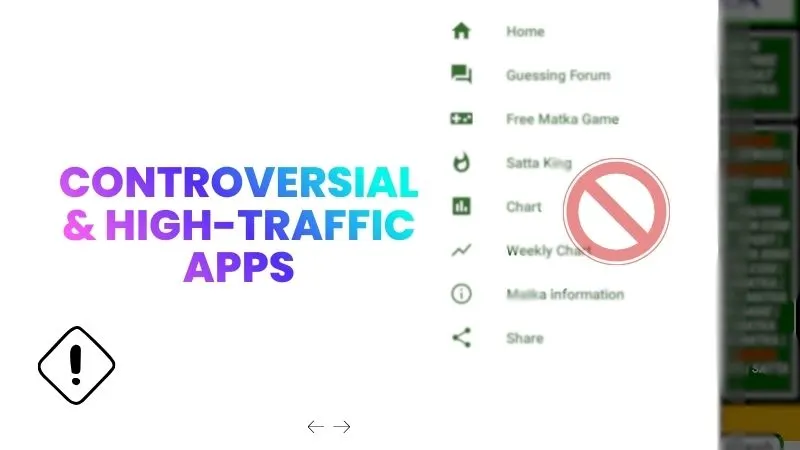
Not all popular apps appear in Google Play stories. Some thrive in shadows. Millions of Indians search for gambling and matka apps daily. The numbers shock everyone. Let’s understand why this underground market is exploding despite legal risks.
Satta Matka Fast Result – Why Gambling Apps Get Massive Searches
Type “Satta Matka” on Google. You’ll see millions of results. Why? Because Indians love quick money dreams.
These apps promise instant results. Fast cash. Life-changing wins. For daily wage workers and small shopkeepers, that hope pulls hard. A single correct guess feels like hitting the lottery.
Among trending apps in India, gambling platforms rarely appear in official stores. Yet their websites generate crores of visits monthly. Telegram channels share links secretly. WhatsApp groups spread results rapidly. The demand stays unstoppable.
Get the Satta Matka Fast Result app here.
Dpboss – Online Matka Play App Growth Explained
Dpboss stands as a giant in this underground space. Thousands search for it daily.
What drives this growth? First, accessibility. Anyone with a smartphone can participate. Second, anonymity. Users feel hidden behind screens. Third, community. Players share tips, results, and strategies in private groups.
Among the apps Indians use the most, Dpboss doesn’t make proud lists. But traffic data tells a different story. The platform’s reach extends across states, languages, and income groups.
Satta King – The Hidden Digital Gambling Market in India
Satta King operates like a parallel economy. No official stores. No advertising. Yet millions find their way in.
How? Word of mouth spreads faster than any campaign. A friend wins some money. He tells another friend. Soon, entire neighborhoods participate. Results get shared on simple websites. Payments happen through UPI secretly.
Among the top apps in India 2026, you won’t see Satta King listed. But ask any rickshaw driver in Delhi. He’ll name three people playing daily.
Why Such Apps Generate Huge Organic Traffic
Here’s the uncomfortable truth. These apps solve a problem. Boredom. Financial stress. Hope for escape.
When people feel stuck, gambling appears as a ladder. Apps exploit this vulnerability perfectly. Simple interfaces. Instant results. Cash prizes. No complicated rules.
Google blocks many keywords. Play Store bans such apps. Yet users find alternatives. New domains appear daily. Old ones get blocked. The cycle continues.
For content creators, this space demands responsibility. Covering it brings traffic. But promoting it harms lives. Smart publishers explain risks while acknowledging reality.
6. Video Downloader & Story Saver Apps
Open any Indian smartphone. Chances are high you’ll find a downloader app hidden somewhere. These tools don’t make headlines. But their usage numbers tell a different story. Millions use them daily. Let’s explore why.
Why Indians Love Downloading Instagram & WhatsApp Videos
India runs on saved videos. Ask any group chat. Someone forwards a funny clip. Another asks, “Bhej de bhai.” Sharing matters here.
Downloader apps make this easy. Users save reels, stories, and videos directly to galleries. No watermark. No hassle. Then they forward endlessly on WhatsApp. This cycle never stops.
Among apps Indians use the most, downloaders rarely appear in official top lists. Yet install numbers cross crores. Students save educational reels. Families preserve wedding videos. Everyone has a reason.
Install the Video Downloader – Story Saver app here.
Privacy, Convenience, or Content Reposting?
Three reasons explain this obsession. Let’s break them down.
First, privacy. Not everyone wants to reshare via Instagram DMs. Downloading keeps viewing habits private. No one knows you saved that recipe video or comedy sketch.
Second, convenience. Mobile data costs money. Watching the same reel repeatedly burns bandwidth. Saving it once solves this problem. Watch anytime. Zero extra cost. Simple logic drives adoption.
Third, reposting culture. WhatsApp groups thrive on shared content. Users download from Instagram, then repost on WhatsApp status. Friends see. Reactions flow. Engagement happens.
Among trending apps in India, story saver tools serve this exact need. They feed India’s endless appetite for shared content.
The Fine Line Between Personal Use and Copyright
Here’s where things get tricky. Downloading for personal viewing feels harmless. But reposting without credit crosses lines.
Many creators lose revenue when videos get stripped of watermarks. Original context disappears. Views shift away from actual sources. This hurts small creators the most.
Smart users now balance both. They save content for personal libraries. They share responsibly with credits. They respect original creators while enjoying convenience.
Among the most used apps in India, downloaders will stay popular. But awareness about fair use grows slowly. The next evolution lies in responsible sharing habits.
7. Data Insights & Usage Trends
Numbers tell stories. And India’s app habits tell a fascinating story. Let’s look at the downloaded charts. Let’s understand how real people actually behave.
Most Downloaded vs Most Actively Used Apps – The Difference
Think about your own phone. How many apps sit untouched? Downloaded once. Opened twice. Forgotten forever.
Downloads measure curiosity. Active usage measures loyalty. Every Indian user knows this gap. You install a photo editor for one project. You never open it again. But WhatsApp? You check it before brushing your teeth every morning.
The apps that win are the ones people need daily. Payment apps, when a chai wala accepts UPI. Video apps during lunch breaks. Maps before visiting a new neighborhood. Downloads bring users in. Habits keep them there.
Smart developers know this. They don’t celebrate download numbers alone. They watch how many people come back tomorrow. And next week. And next month.
Urban vs Rural App Usage Patterns
Cities once decided what apps became popular. Not anymore.
Walk into any village today. You’ll see young farmers checking crop prices on apps. Women watching cooking videos in their own language. Students learning English through free tutorials.
The difference isn’t about interest anymore. It’s about comfort. Urban users download anything. Rural users stick with what works. They ask friends before installing. They share phones within families. They trust apps that someone recommended personally.
This changes how apps grow. A city user discovers through ads. A rural user discovers through WhatsApp forwards. Both matter. But the journey looks completely different.
Data Consumption Trends in India
Indians love two things. Videos and more videos.
Morning commutes mean YouTube. Afternoon breaks mean reels. Late nights mean web series before sleeping. Every activity generates data. Every scroll consumes megabytes.
But here’s what’s interesting. Users now care about waste. Nobody wants to burn data on apps that load slowly or show too many ads. People notice which apps respect their limited plans. They delete the ones that don’t.
Free data changed everything years ago. Now, paid plans teach discipline. Users balance between watching everything and watching smartly.
Average Daily Screen Time of Indian Users
Let’s be honest. Screens stole our time.
Check your own battery settings tonight. You’ll probably feel shocked. Hours disappeared into apps you don’t even remember opening.
Students lose study time to gaming. Professionals lose family time to scrolling. Grandparents lose sleep to YouTube bhajans. Everyone falls into the same trap.
The smart ones now fight back. They set timers. They keep phones away during meals. They give children fixed schedules instead of unlimited access.
Apps notice this shift. New features remind you to take breaks. Dark modes reduce eye strain. Wellness tools track daily habits. The best apps help you use them less.
Because real winners aren’t apps people die for. They’re apps people live better with.
Also, read: Mobile SEO checklist for Indian websites
8. Why These Apps Became So Popular
India didn’t always look like this. Ten years back, app usage meant something only city folks did. Today? Your chai wala has a favorite app. Your grandmother watches reels. Your cousin in the village orders groceries online.
What changed? Let’s break down the real reasons.
Affordable Internet & Jio Revolution
Remember buying internet packs? You’d recharge for 1GB and stretch it for a week. Videos loaded slowly. Photos took forever. You thought twice before opening Instagram.
Then everything flipped.
One company decided that data should be cheap. Really cheap. Overnight, India started streaming. No more counting megabytes. No more waiting for photos to load. Village kids started watching the same videos as city kids.
That moment changed everything. Apps needed data to survive. Suddenly, data flowed everywhere. Free for months first. Then affordable forever. The habit stuck.
Today’s generation doesn’t remember “2G life.” They’ve only known fast internet. They expect apps to load instantly. They judge slow apps harshly. And they have zero patience for buffering.
Cheap Smartphones & 4G/5G Expansion
Internet means nothing without a device. India solved that problem too.
Chinese phones entered the market with crazy low prices. Suddenly, a delivery boy could afford a smartphone. A maid could watch videos on her break. A farmer could check weather alerts on a device costing less than his weekly vegetables.
Companies fought to launch cheaper phones. 4G became standard. Then 5G arrived faster than anyone predicted.
Today, you’ll find smartphones in places without proper roads. Without hospitals nearby. Without schools within walking distance. But the phone works. The internet connects. The apps run.
That’s the Indian miracle. The infrastructure failed in many ways. Digital infrastructure succeeded beyond imagination.
Youth Demographics Advantage
India remains young. Ridiculously young.
Half the population is below 25 years old. Young people adopt apps like fish take to water. They don’t fear technology. They embrace it. They teach parents. They force grandparents to learn.
This youth doesn’t remember life before smartphones. For them, apps always existed. Ordering food always meant swiping. Finding directions always meant Maps. Dating always meant matching online.
Every young Indian becomes an unpaid brand ambassador. They show friends cool apps. They share referral codes. They create trends without trying.
Companies love this. No marketing budget beats a teenager telling his class, “Yaar, yeh app download karle.”
Influencer & Creator Economy Boom
Earlier, celebrities sold products. Now, random guys from small towns sell everything.
Someone from Jaipur reviews phones. A girl from Patna teaches makeup. A guy from Lucknow jokes about daily life. Millions watch. Millions trust. Millions buy whatever they recommend.
Apps noticed this shift. They built features for creators. Easy editing tools. Simple upload options. Money-sharing programs. They turned users into employees without paying salaries.
Now every Indian with a smartphone dreams of fame. Post a reel. Gain followers. Earn money. Get free products. The cycle feeds itself.
Creators promote apps. Apps help creators grow. Both win. Both get richer. And users stay glued to screens watching it all happen.
Also, check: How SEO works for content creators
9. Risks & Concerns
Apps brought magic. But magic comes with side effects. Here’s what Indian users rarely talk about.
Data Privacy Issues
Every tap gets tracked. Every swipe gets recorded. Indian apps collect everything. Your location. Your contacts. Your photos. Your messages. Most users never read permissions. They just click “Allow.”
Data leaks happen monthly. Personal details get sold. Scammers call using your private info. Yet awareness stays low.
Protection starts small. Deny unnecessary permissions. Use different passwords. Question why a gaming app needs your microphone.
Online Gambling Risks
Easy money traps the vulnerable. Apps promise quick riches. Users lose lifetime savings.
Young men fall hardest. They start small. Win sometimes. Lose always. Then chase losses desperately. Families discover too late.
Legality means nothing here. Apps operate from outside India. Courts block one domain. Ten more appear. Users remain unprotected.
Pirated Content Legal Concerns
Free movies tempt everyone. New releases available within hours. Telegram links circulate constantly.
But downloading isn’t victimless. Creators lose income. Industries shrink. Jobs disappear. And users risk notices from authorities.
India’s piracy laws carry serious penalties. Fines. Jail time. Criminal records. Most downloaders don’t know this until it’s too late.
Digital Addiction & Mental Health
Phones changed how Indians sleep. Midnight scrolling replaced rest. Morning alarms bring exhaustion.
Teenagers suffer the most. Validation comes from likes. Self-worth depends on views. Depression rises silently.
Recovery requires honesty. Track your screen time honestly. Notice what you sacrifice. Real life happens outside apps.
10. Future of App Usage in India (2027 Prediction)
India’s app landscape never stays still. What worked last year already feels outdated. Looking ahead helps everyone prepare. Users, builders, and investors all need to spot trends early. Let’s explore what 2027 likely holds for Indian smartphone users.
AI-Powered Apps Will Dominate?
Walk into any Indian home today. Someone’s probably watching a reel or sending a payment. Now imagine those same apps anticipating your needs before you click. That’s where we’re heading.
AI features already appear everywhere. Cameras identify objects instantly. Keyboards predict entire sentences. Voice assistants understand mixed languages without confusion. These small additions keep adding up.
The apps winning in 2027 won’t shout about their AI capabilities. They’ll simply feel smarter. Users will open them more often. They’ll recommend them to friends. They’ll wonder how they ever managed without certain features.
Indians appreciate convenience above everything. AI delivers exactly that. No manuals needed. No tutorials required. Just open and experience something better.
Regional Language Apps Growth
English served as the internet’s gatekeeper for decades. Those days end in 2027.
Tier 2 and Tier 3 cities now drive most new users. These Indians feel comfortable in their mother tongues. Hindi, Tamil, Telugu, Bengali, Marathi, Gujarati – each language represents millions of potential loyal users.
Smart developers already build with regional languages as priority one. They design interfaces that don’t assume English literacy. They offer voice search in local dialects. They provide customer support in languages users actually speak.
The apps growing fastest won’t be the ones with the prettiest designs. They’ll be the ones speaking to users like family. Familiar words build trust. Trust drives daily usage.
Gaming & Short Video Market Expansion
Boredom remains India’s biggest problem. Gaming and short videos offer a perfect escape.
Games keep getting more sophisticated. Indian developers now create titles featuring local characters and familiar settings. Players see themselves in these games. That connection runs deep.
Short videos have evolved beyond just dancing and lip-syncing. Educational content exploded. Small town creators teach skills their neighbors actually need. Cooking tips. Farming advice. Small business ideas. All in short, watchable formats.
Both categories share something powerful. They turn passive viewers into active participants. Watching becomes doing. Scrolling becomes creating. That shift locks users in for years.
Government Regulations & App Policies
The hands-off approach slowly disappears. Governments notice app power. They respond with rules.
Data localization tops every policy discussion. Indian user data should stay on Indian servers. Companies resisting face restrictions. Companies complying earn trust.
Gambling apps face the toughest scrutiny. Too many families lost savings. Too many young men are trapped in addiction. Expect more blocks, more bans, and more prosecutions.
Responsible app builders welcome these changes. Clear rules help everyone plan better. Wild west days entertained everyone. Structured growth benefits everyone more.
Conclusion
The Digital Reality of India
India runs on apps. Social media connects families. Gaming kills boredom. Utility apps handle payments. Even gambling platforms attract millions daily. Screens now dominate Indian life from morning to night.
Rural users outnumber urban ones. Regional languages beat English. Video content eats maximum data. Every trend points deeper into app dependency.
Also, check: Best online tools for Indian creators in 2026
Final Verdict: Which Category Truly Dominates India?
Social apps still rule, with WhatsApp, Instagram, and YouTube open daily more than any other category. Gaming entertains. Gambling tempts. Utility helps. But social platforms own Indian attention from sunrise to sleep.
They combine everything. Entertainment through reels. Connection through chats. Validation through likes. One app serves many needs. That power remains unmatched.
What This Means for Bloggers & Digital Marketers
Create content where Indians actually spend time. Write for Instagram first. Optimize for YouTube second. Build communities on WhatsApp.
Don’t ignore regional languages. Hindi, Tamil, Telugu content reaches millions, English never will.
Watch smaller cities. Trends start there now. Rural behavior predicts tomorrow’s winners.
And if you’re ready to move from just consuming apps to building and earning with them, check out our latest guide on the best online tools in India 2026 – these platforms help freelancers, creators, and small businesses scale online.
Liked what you read? Share it with your friends